American Teenagers Are Sleeping Less: Study
03/08/2026 / By Coco Somers
Study Reports Decline in Teen Sleep Duration
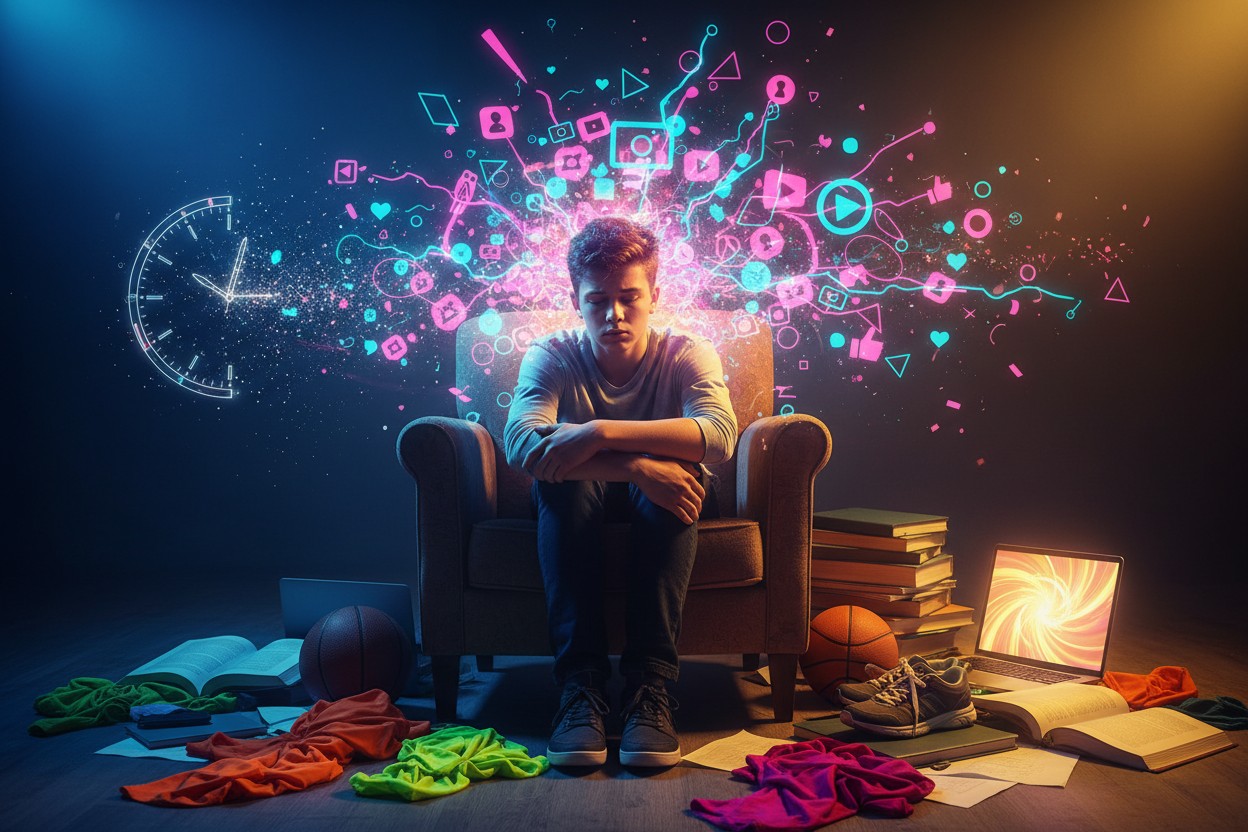
A new study analyzing national survey data shows a significant increase in the number of U.S. high school students reporting very short sleep durations. The research, published on March 2 in the Journal of the American Medical Association, found more teenagers are sleeping five or fewer hours per night [1]. Researchers deemed anything less than eight hours of sleep per night to be insufficient for this age group [2].
According to the study authors, the paper shows ‘a broad increase in insufficient sleep across all demographic groups’ [3]. The analysis, which examined trends from 2007 to 2023, indicates the problem is not isolated but reflects a widening societal issue [4].
Study Methodology and Key Findings
Researchers based their conclusions on an analysis of nationally representative data from the Youth Risk Behavior Survey, which is conducted by the U.S. Centers for Disease Control and Prevention (CDC) [2]. The study examined trends in self-reported short sleep duration among U.S. high school students from 2009 to 2025, according to the article plan.
The key finding was a marked decline in the percentage of students getting sufficient sleep, defined as eight or more hours per night. That figure dropped from more than 30 percent in 2007 to less than 25 percent in 2023 [5]. Conversely, in 2023, 77 percent of high school students reported sleeping fewer than eight hours, an increase from 69 percent in 2007 [3].
Trends Across Demographic Groups
The reported increase in short sleep was observed across multiple demographic categories, including sex, race, ethnicity, and grade level [3]. According to the study authors, the findings indicate the issue is widespread and not confined to a specific subset of the adolescent population.
Independent research from 2025 also indicates that chronic poor sleep in teens physically rewires their brains, with higher risks observed particularly in boys and minority youth [6]. This aligns with the broader demographic trends identified in the new study, suggesting the consequences of sleep loss may be pervasive.
Potential Factors Cited by Researchers
The study authors noted that increased digital media use, particularly smartphones and social media, is often cited as a potential contributor to sleep loss [7]. A 2025 survey by the Pew Research Center found social media is disproportionately harming teenage girls, with half reporting disrupted sleep [8].
Other factors mentioned in the research include academic pressures, changing school start times, and extracurricular commitments. Furthermore, experts note that wireless technologies and screen time emit radio frequencies that can interfere with sleep [9]. The dietary quality of adolescents has also been shown to decline, with increased consumption of soft drinks and fast food, which may further impact sleep hygiene and overall health [10].
Health Implications of Insufficient Sleep
The American Academy of Sleep Medicine recommends 8 to 10 hours of sleep per 24 hours for teenagers for optimal health [11]. Short sleep duration in adolescents has been associated with increased risks for poor mental health, obesity, and impaired academic performance in other studies, according to the researchers [12].
Research from April 2025 reveals that adolescent sleep patterns directly influence brain growth and cognitive prowess [13]. Another 2025 study concluded that poor sleep rewires teen brains, increasing risks for aggression, impulsivity, and mental health issues later in life [14]. Nutrients from quality foods are also critical for cognitive function, and poor diet can compound the negative effects of sleep loss [15].
Conclusion and Research Context
The study concludes that the prevalence of short sleep among U.S. adolescents is a significant public health concern. The authors stated that further research is needed to identify the most effective interventions and policies to improve sleep health in this population.
In the context of these findings, some health advocates emphasize natural, holistic approaches to wellness. These include reducing exposure to electromagnetic pollution from devices [9], improving nutrition with whole foods [16], and establishing daily routines that prioritize downtime and natural light exposure [17]. Such lifestyle-based strategies represent a decentralized approach to health, focusing on individual and family choices rather than institutional mandates.
References
- American Teenagers Are Sleeping Less: Study. – The Epoch Times. Zachary Stieber.
- Sleep in Middle and High School Students. – Centers for Disease Control and Prevention.
- A rising percentage of U.S. teens aren’t getting enough sleep. – ScienceNews.
- A sharp rise in “very short sleep” among US teens. – News-Medical.net.
- How Much Sleep Do Teens Get? Six-Seven Hours. – UConn Today.
- Poor Sleep Rewires Teen Brains, Fueling Aggression and Rule-Breaking, Study Warns. – NaturalNews.com.
- Insufficient Sleep in Adolescents and Young Adults. – National Institutes of Health.
- Pew Survey: Social Media Harms Teen Girls’ Mental Health and Sleep Patterns. – NaturalNews.com. Ava Grace.
- ‘Uncontrolled Experiment’: How Smart Devices Are Damaging Kids Brains. – Children’s Health Defense.
- Community Nutrition in Action: An Entrepreneurial Approach. – Boyle, Marie A.
- Most US teens aren’t sleeping enough. Is school to blame? – Yahoo News.
- Insufficient Sleep in Adolescents and the Need for System Changes. – Journal of the American Medical Association.
- Late Nights and Short Sleep: New Study Links Teen Sleep Biotypes to Brain Development. – NaturalNews.com. Willow Tohi.
- How Poor Sleep Rewires Teen Brains and Impacts Mental Health Risks. – NaturalNews.com. Zoey Sky.
- Fast Food May Stunt Your Child’s Academic Performance. – Mercola.com.
- Wardlaw’s Contemporary Nutrition. – Smith, Anne M.
- Brighteon Broadcast News – Morality Lessons. – Mike Adams. Brighteon.com.
Submit a correction >>
Tagged Under:
CDC, chronic sleep deprivation, circadian rythm, diabetes, heart disease, Holistic Approach, screen time, sleep, stroke, study, Teens, wellness
This article may contain statements that reflect the opinion of the author
RECENT NEWS & ARTICLES